
RazstaveWorking in Factories
Working in Factories
Exhibition Announcement!
Opening on Thursday, 10 December 2026, at 6:00 pm at the Town Hall in Kranj.
Temporary exhibition. Guided tours are available by prior arrangement.
During the 20th century, Kranj was one of Slovenia’s most important industrial centres. Factories not only shaped the city’s economic development but also had a profound impact on the lives of its inhabitants, the appearance of local communities and the everyday rhythm of the wider Gorenjska region. Behind factory walls, the stories of thousands of people unfolded – people whose work, knowledge and perseverance helped shape Kranj’s industrial heritage.
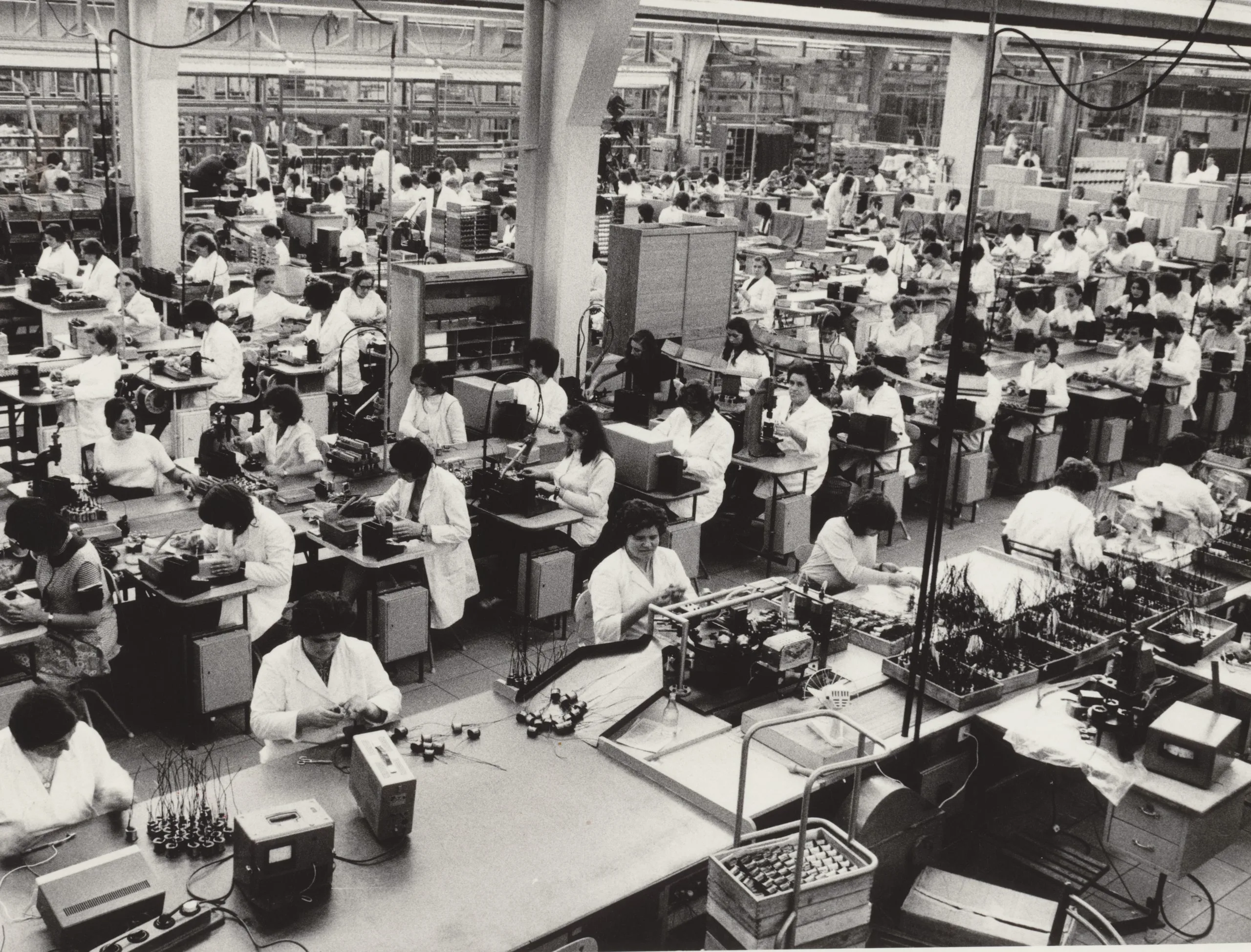
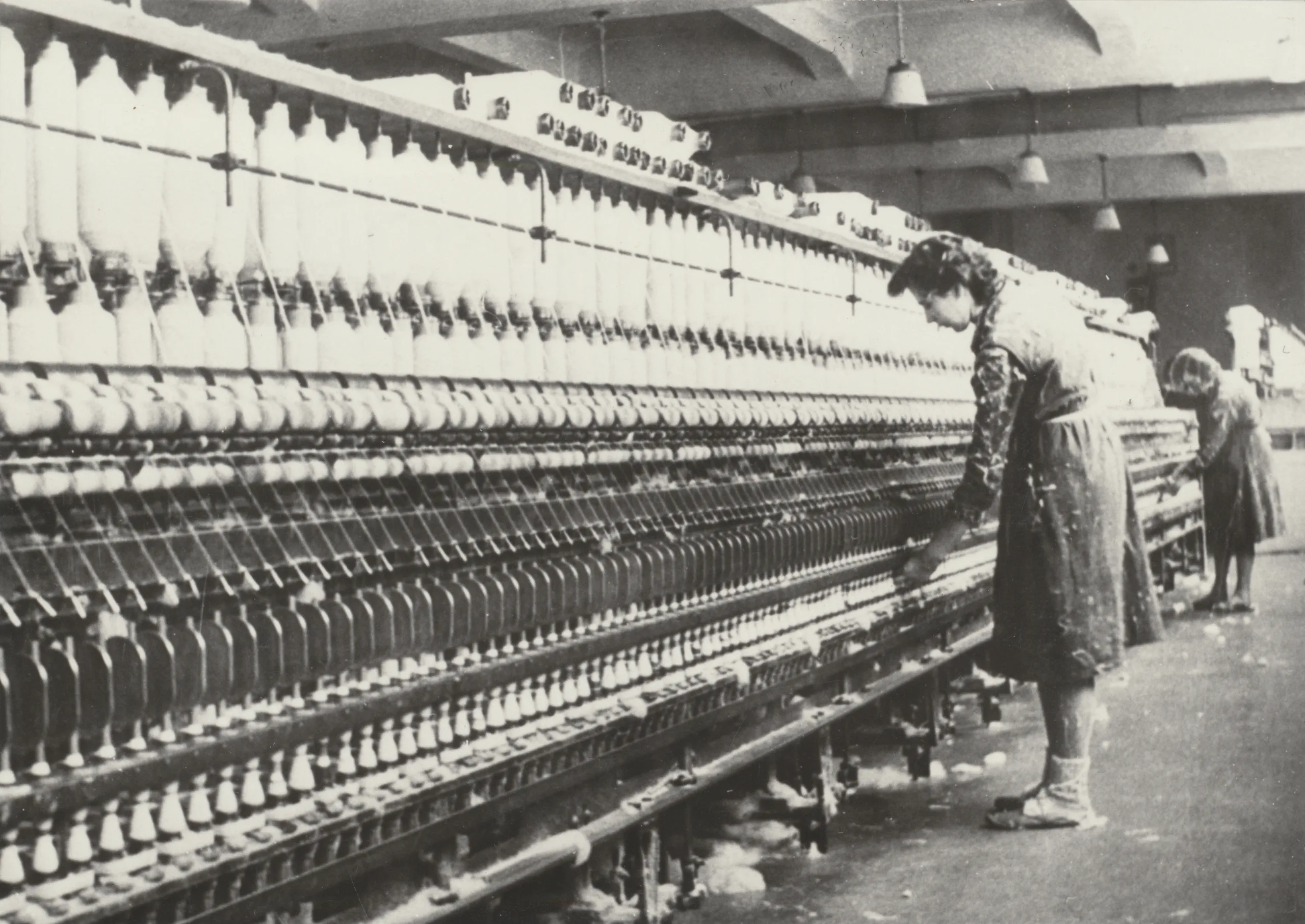
The exhibition Working in Factories takes us into the world of Kranj’s industrial workers, from the early decades of the 20th century to the decline of major industrial enterprises towards the end of the century. It explores the development of the textile, rubber, footwear and electrical engineering industries and introduces the workers of once well-known factories such as Jugočeška, Jugobruna, Inteks, Tiskanina, Tekstilindus, IBI, Sava, Planika and Iskra.
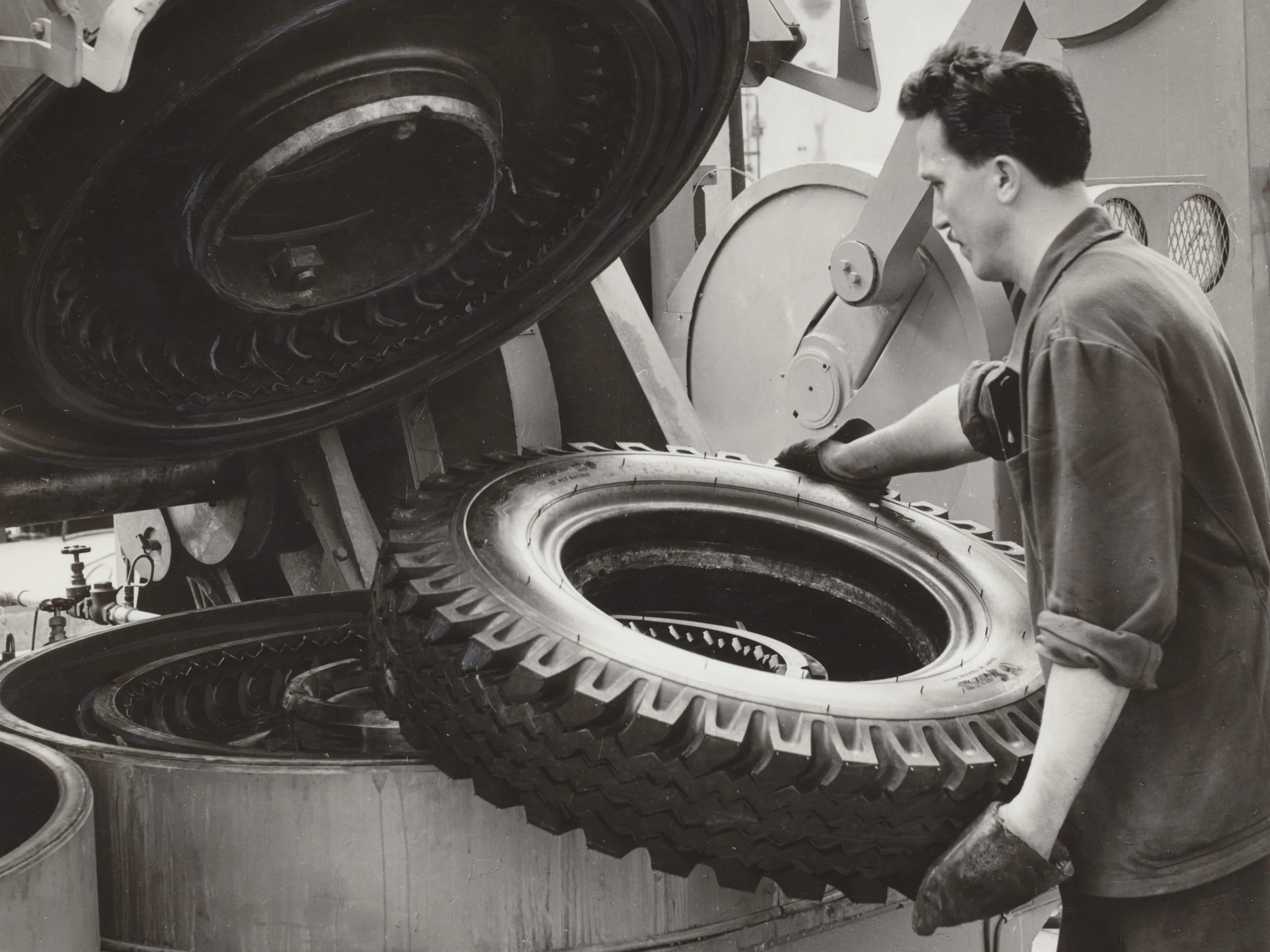
Through personal accounts, photographs, documents and museum objects, visitors discover why people sought employment in factories, how they learned their trades and what opportunities they had for education and career advancement. The exhibition reveals demanding working conditions, long working hours, shift work, the noise of production halls, assembly-line work and the pressure to meet production quotas. Special attention is devoted to women, who made up a significant proportion of the industrial workforce and often had to balance demanding factory jobs with family responsibilities.
An important part of the exhibition focuses on workers’ rights, the development of social security and the system of socialist self-management. As this year marks the 90th anniversary of the great textile workers’ strike in Kranj, the exhibition also sheds light on this event, when workers in Kranj protested en masse against low wages and poor working conditions.
An important part of the exhibition focuses on workers’ rights, the development of social security and the system of socialist self-management. As this year marks the 90th anniversary of the great textile workers’ strike in Kranj, the exhibition also sheds light on this event, when workers in Kranj protested en masse against low wages and poor working conditions.
Yet workers’ lives did not end at the factory gates. The exhibition also explores their journeys to work, meals during the working day, housing and living conditions, social gatherings, celebrations, sporting and cultural activities, and trade union holidays that shaped the lives of many generations.
The exhibition pays tribute to the people whose labour kept the city running for decades.
At the same time, it invites us to reflect on changing perceptions of the value of work, workers’ rights and social security, as well as the industrial heritage of Kranj, which remains an important part of our collective memory.
YOU ARE WARMLY INVITED!